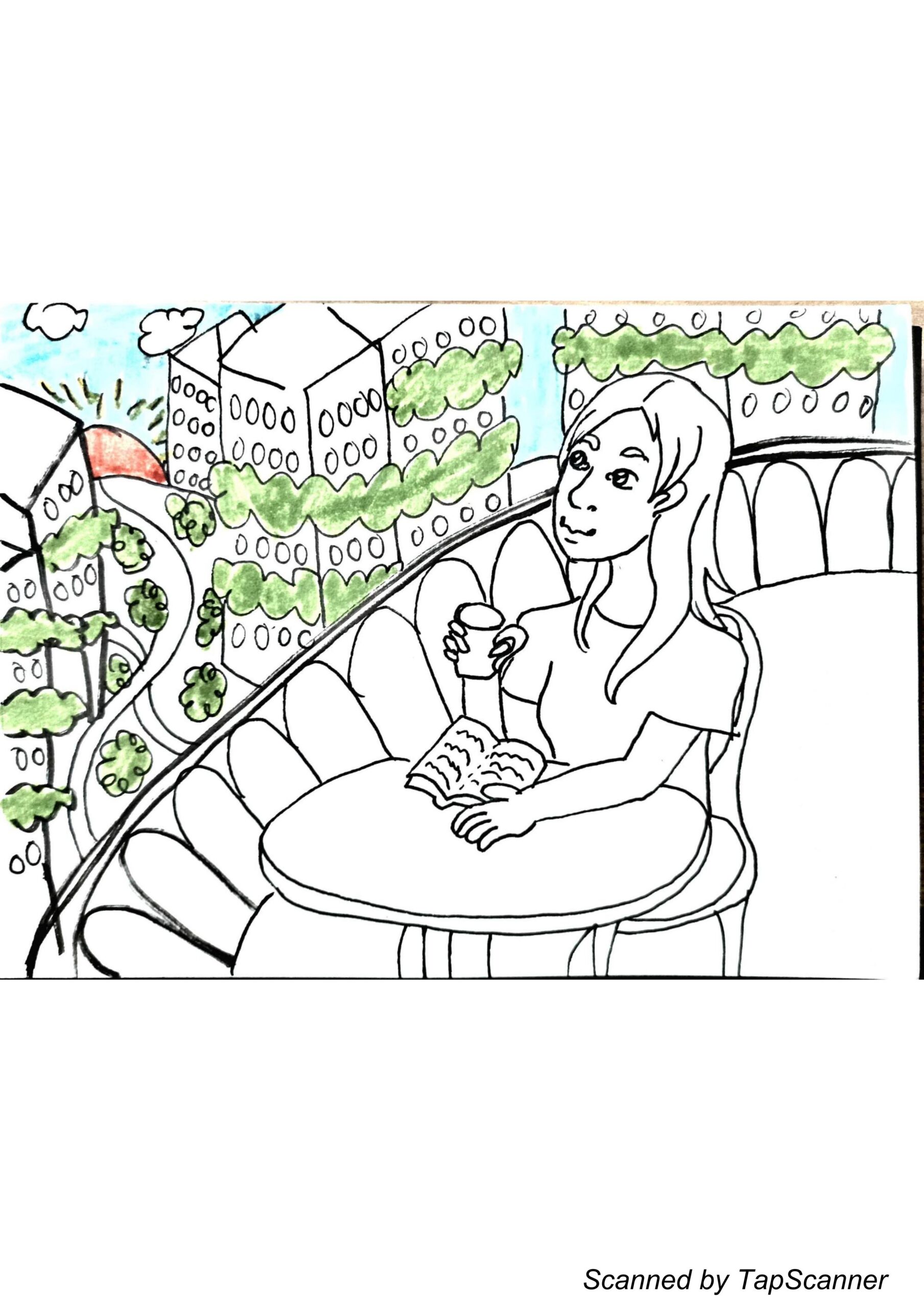
Marta, 24, is a junior consultant specializing in gender and equality. A political scientist by training, she graduated from a university in Spain and went on to complete a postgraduate degree there in gender and equality. Her professional focus on structural inequality shapes the way she evaluates almost every aspect of AI.
Growing Up With Politics and a Critical Eye
At home, Marta’s family members work in technology-related fields — both drawn to technology. She is not. “My brother loves it because he loves technology,” she says, “but I’m a bit put off by it.” She doesn’t use Siri or Alexa, rarely plays video games, and keeps her AI use to a minimum. That distance is not indifference; it is deliberate. Her studies trained her to look for the systems and power structures behind any tool, and AI is no exception. She sees bias as baked into algorithms from the start, because “robots have biases because we create them.”
Society in 2050: Rights, Climate, and Mobility
Marta’s vision for 2050 starts with political fundamentals: an LGBT-friendly society, genuine respect for human rights, and the far right reduced to a clear minority. Beyond that, she is cautiously pragmatic. She would like the freedom to telework from anywhere — perhaps dividing her time between cities — continuing equality and employment projects with geographical flexibility. On climate she is honest: “I want to be optimistic but I am also clear that it will be very difficult.” Her modest hope is simply that the planet remains livable in both summer and winter.
AI as a Tool — With Conditions
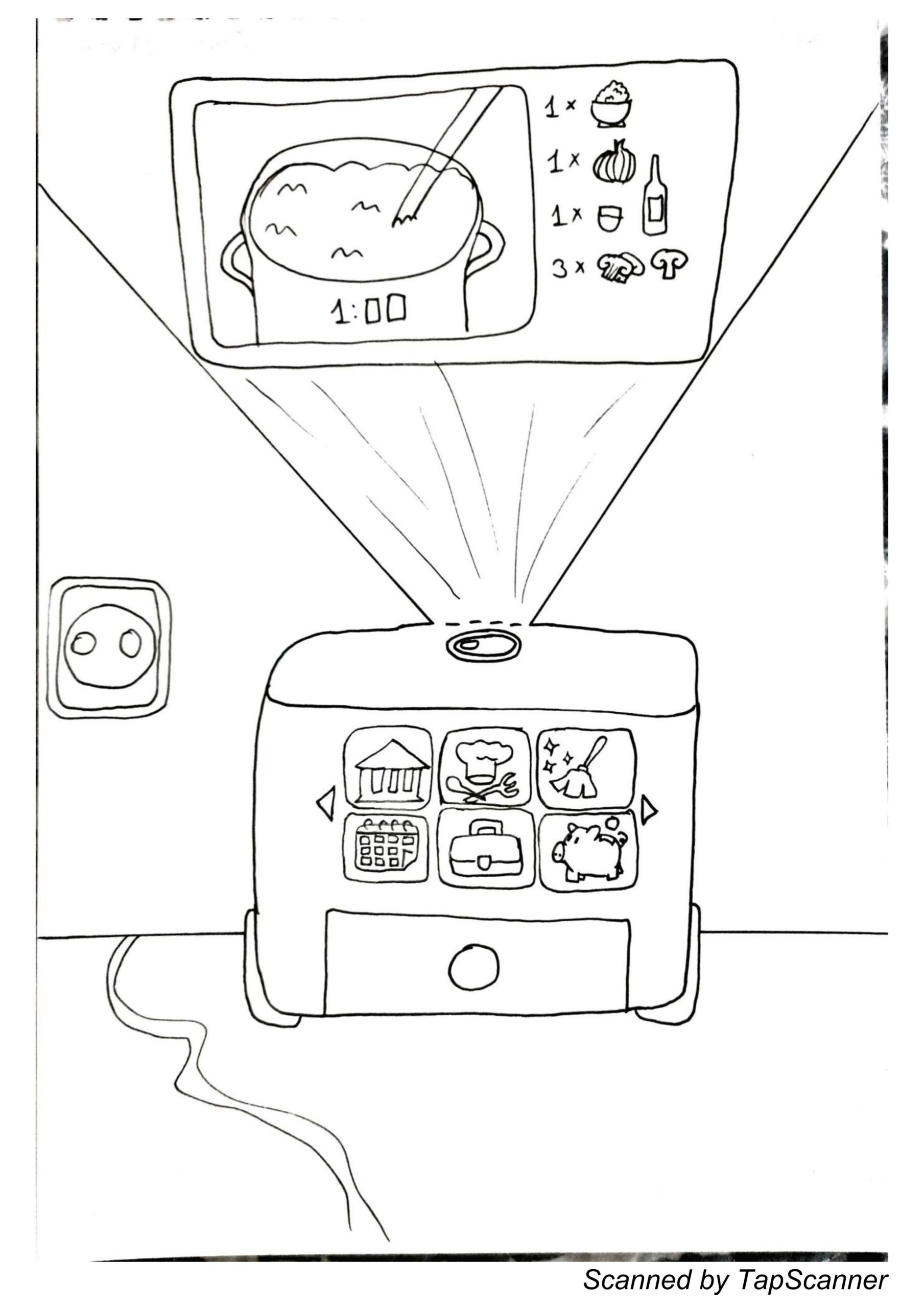
For Marta, the most appealing AI is the kind that doesn’t pretend to be human. A climate-monitoring robot that detects air humidity, or a kitchen robot that executes a recipe you load into it — these feel useful and honest. “I’m more comfortable with a robot that doesn’t speak to me like a person,” she says. She welcomes health implants (drawing a parallel to vaccines: “when you get a vaccine you are already putting something external inside”), opposes intelligence implants as a driver of inequality, and rejects AI career counselors and chatbots on the grounds that no algorithm eliminates the biases it was trained on. In hiring, she would rather deal with a biased human than a biased machine, because at least a human can be challenged.
Robots at Home, in Schools, and in Hospitals
At home, Marta is happy for robots to clean and assist with healthcare, but not to raise children or care for the elderly — tasks that require empathy and social attunement that she doesn’t believe AI can replicate. In hospitals she accepts robots for technical procedures but only alongside human staff. In schools she is skeptical: teaching, evaluation, and exams should remain in human hands. “Letting an artificial intelligence explain something to me looks very cold,” she says. She makes an exception for routine work automation in stores and restaurants, which she sees as an opportunity to redirect human energy toward more creative roles — though she acknowledges the risk of over-dependence if the system fails.
Inequality as the Central Question
For Marta, every AI question eventually loops back to inequality. Intelligence implants would entrench a new elite. Biased recruitment algorithms would disadvantage already-marginalized groups. Robots replacing care work would devalue the emotional labor that society tends to underpay already. Her trust in AI is moderate — she sees potential but insists on governance, ethics, and feminist auditing of any algorithm used in public life. What she wants from 2050 is not a world managed by machines, but one where technology serves to reduce gaps rather than widen them.