Sofía, 16, lives in a large city and has just completed her fourth year of secondary school (ESO), about to begin the first year of social sciences bachillerato. Growing up with brothers — she describes herself as someone drawn to the public side of things: entrepreneurship, social work, and travel.
Growing Up Between School and a Changing World
Sofía’s household is shaped by three siblings and parents who navigate everyday life in a large urban environment. Her main encounter with robotic technology at home is a Roomba — no Alexa, no voice assistants. She describes her knowledge of AI as “very low” given how broad the topic is, but she is curious and open. The film Minority Report comes to mind when she thinks about AI and surveillance, a reference that colors some of her more cautious instincts about control and freedom. She rates her trust in AI at 7 out of 10 and places herself somewhere between positive and negative overall: “I think more positively but at the same time I see a lot of negative things.”
A Future That Balances Safety and Freedom
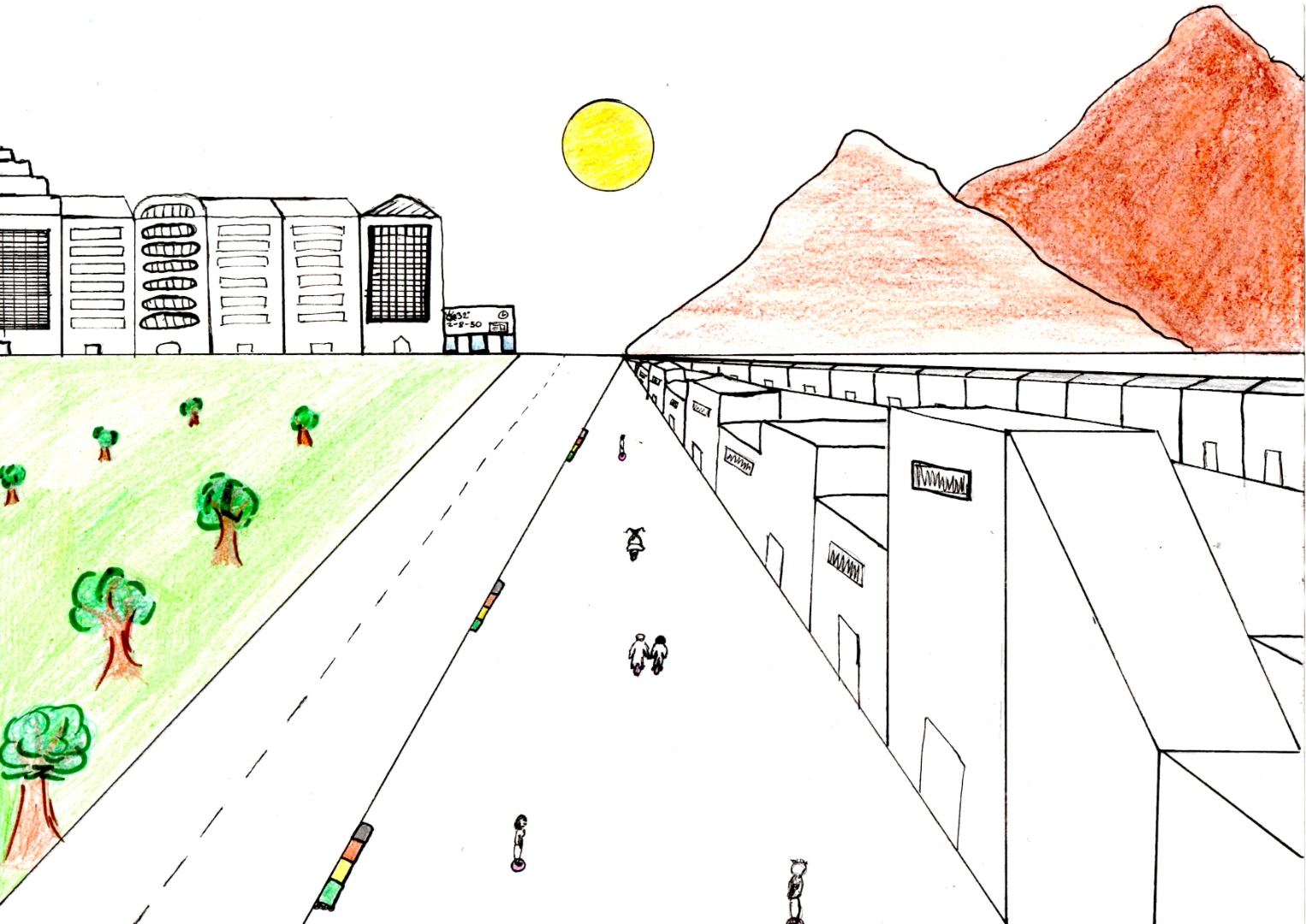
For Sofía, the ideal society of 2050 is safe, comfortable, and genuinely free — and those last two qualities are not in conflict. She wants citizens to have a real say in decisions that affect them, and she explicitly does not want technology to tip into surveillance or control. “I would like to include technology but to a certain extent,” she says, “not too much because I would feel a little controlled.” By 2050 she expects to be working, hopes to travel widely, and wants to be surrounded by people she feels comfortable with. Nature stays central to her vision: even in a future full of new technology, she does not want to lose the good parts of the natural world.
Robots in Daily Life — and Their Limits
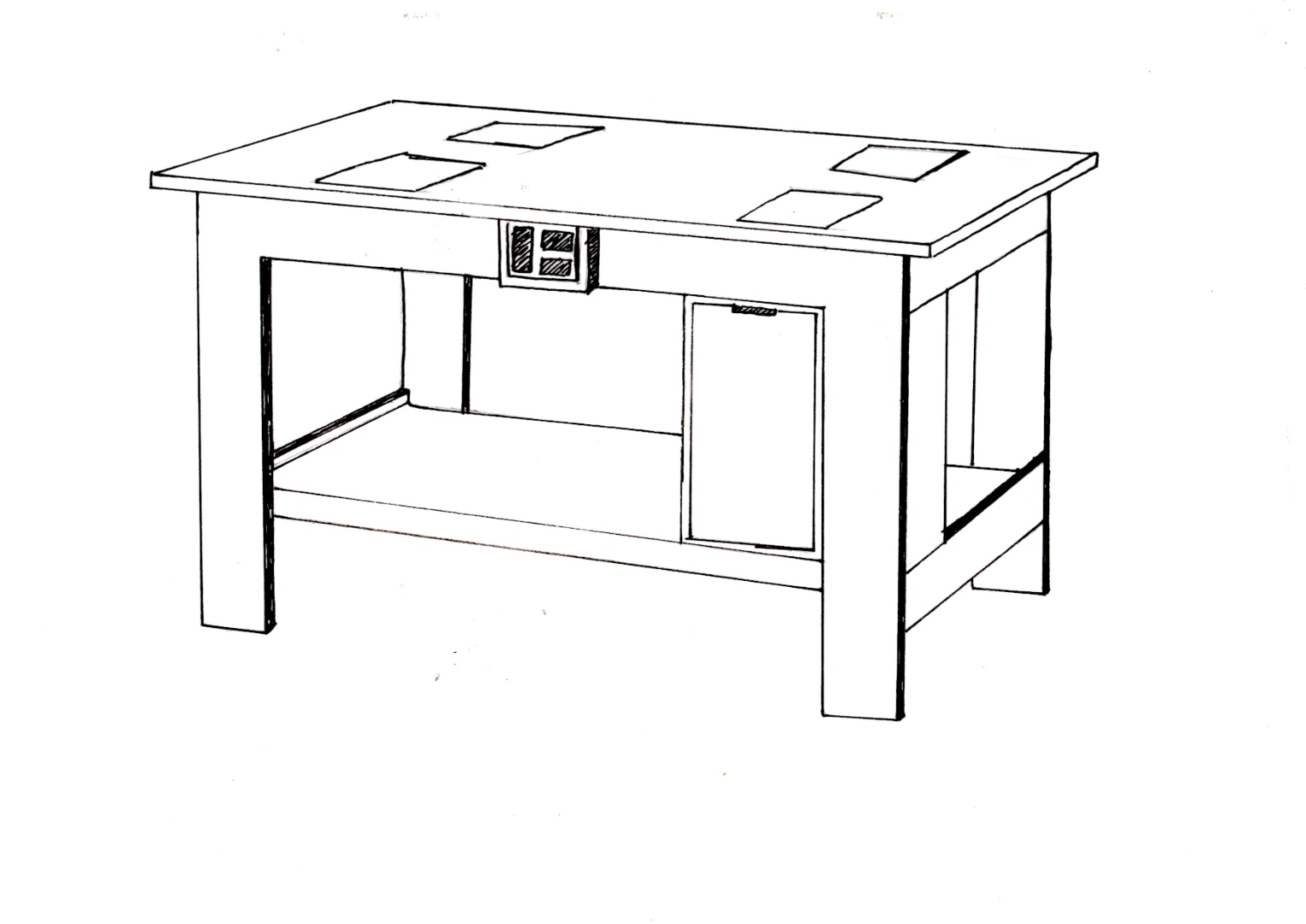
The robot Sofía designed is a table divided into four sections. Each place has a built-in dishwasher and a digital screen; you tell it which dish you want prepared, and it sets the table, delivers the food, clears it, and washes up. It is practical, household-oriented, and firmly non-humanoid. “Non-organic machine,” she says without hesitation — humanoid or animal forms feel too close to human for comfort. At home she welcomes AI for cleaning, childcare, healthcare, and elderly assistance. She draws the line at pets: “a dog and a cat have feelings and they have a heart, and I think a robot wouldn’t have that.” In schools she supports AI for standardized entrance exams (objective, fair, free from stigma) but not for teaching or evaluating students, where personal teacher-student relationships matter.
Where AI Should Step Back
Sofía’s skepticism surfaces most clearly around power and judgment. She opposes AI judges and AI political decision-making: “a person is needed because sometimes there are doubts and a human mind is needed to decide.” Crime surveillance also makes her uncomfortable — the potential for control outweighs the safety benefits. The one exception in a sensitive area is military applications: “hopefully it wouldn’t be necessary, but if it is, it’s better for robots to do it because the risks are not as serious as if a person takes them.” In city life she is enthusiastic about driverless cars (with a human backup present) and drone delivery. She sees a future of mutual dependency between humans and AI — useful, widespread, but never unchecked.
Skills, Jobs, and Learning in 2050
Sofía expects AI to eliminate many existing jobs and create new ones, especially in technology sectors. She would delegate housework to robots without hesitation but insists on keeping a human in the loop for anything that goes wrong. Her own aspirations lean toward directing or managing something public-facing — work she believes robots cannot do. On education, she does not expect the system to change drastically (“it has been the same for many years”) but thinks a 2050 school should blend AI tools with human teachers. What she most wants from the future is a society where people’s wellbeing — psychological as much as material — is genuinely prioritized.